
Blogs

How Can Business Owners Use PMS to Diversify Their Wealth
Business owners typically have 80 to 90% of their net worth tied up in one asset the business. That's a single concentrated bet that generates income but offers no liquidity, no diversification, and no protection if the sector turns. PMS gives business owners a...
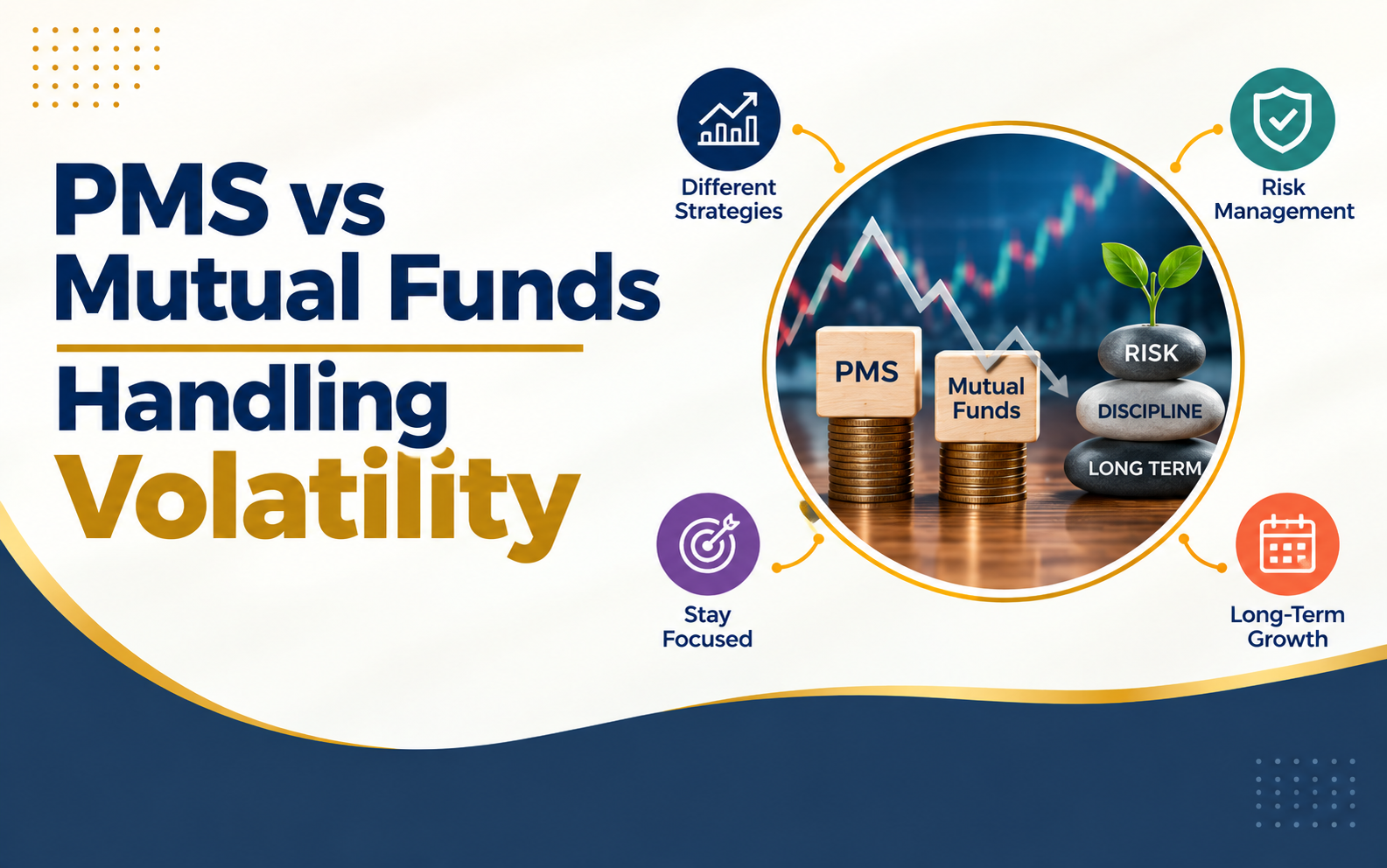
How Does PMS Handle Volatility Differently From Mutual Funds?
PMS and mutual funds respond to volatility differently because they're structurally different products. A PMS holds stocks directly in the investor's name the manager can concentrate into high-conviction positions during a correction or raise cash when risk-reward...

What Is Trust Quotient for Long-Term Investors?
Trust quotient in investing is the degree of confidence an investor can place in a fund manager based on verifiable evidence not marketing. A high trust quotient means holding through 30% paper losses without panic. A low one means a 10% dip triggers a redemption...
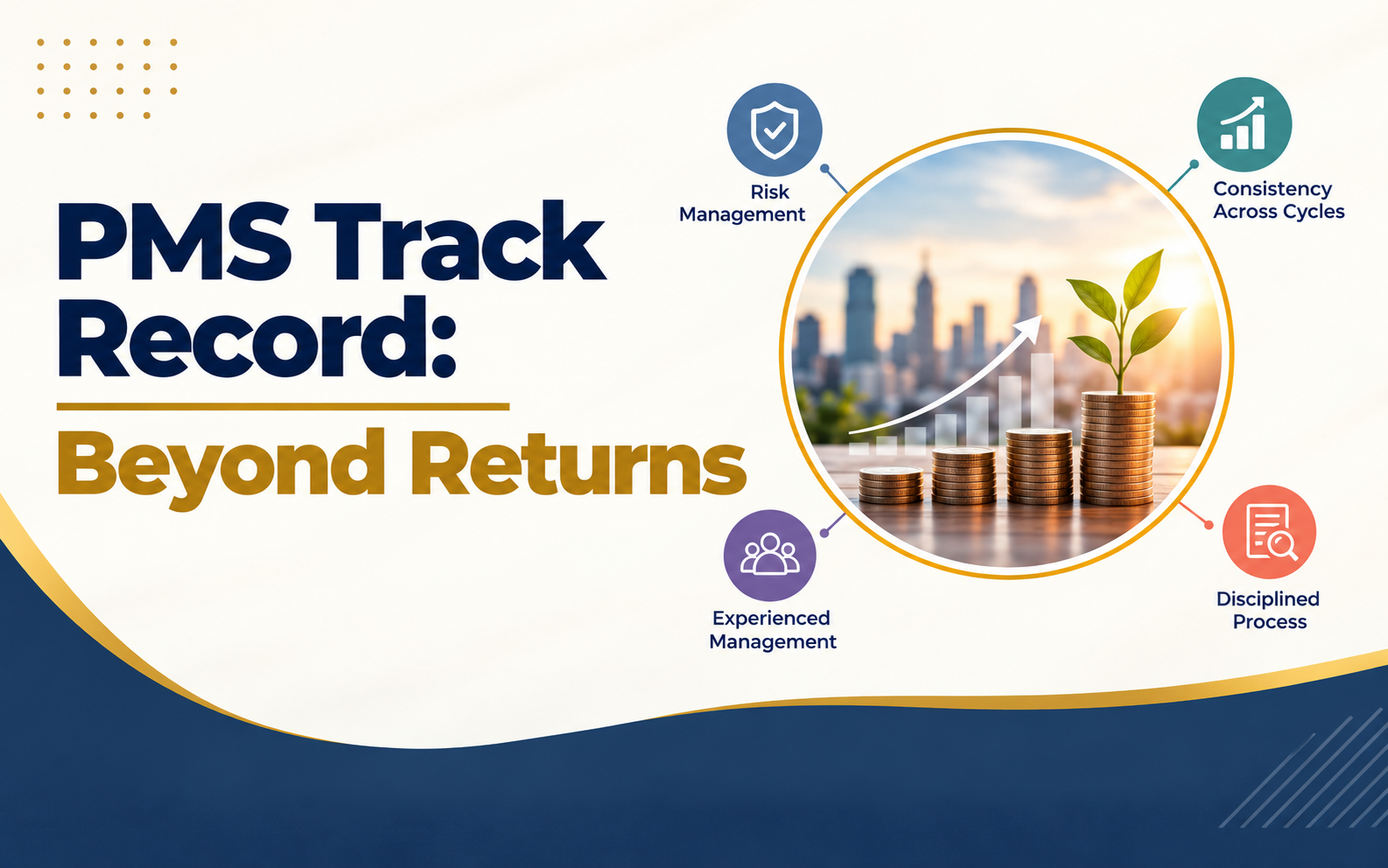
How to Evaluate a PMS Track Record Beyond Returns?
A PMS track record means nothing if you only look at the headline return. Two managers can show 18% CAGR over five years one through a disciplined process, the other through leverage and lucky sector bets that dropped 60% before recovering. The number looks identical....

How Should HNIs Split Their Portfolio Between PMS and AIF?
There's no right PMS-to-AIF ratio it depends on liquidity needs, time horizon, tax situation, and how much of the corpus can stay locked. PMS gives listed equity exposure in your own name with anytime liquidity. A Category III AIF at GIFT City gives NRI HNIs USD...

What Is a Family Office and When Should You Form One?
A family office is a private entity that manages a wealthy family's investments, tax, legal, and estate planning under one roof without relying on banks or third-party wealth managers. Single-family offices serve one family exclusively; multi-family offices share...

SEBI Registered PMS List: What It Means and Why It Matters
Every portfolio manager operating in India must hold a valid SEBI registration, and SEBI maintains a public list of these entities. Checking a manager's name against this list confirms they're legally permitted to manage client portfolios and are bound by SEBI's...

Minimum Investment for PMS in India: SEBI Rules Explained
SEBI mandates a minimum investment of ₹50 lakh to open a Portfolio Management Services (PMS) account in India. The threshold is assessed once, at onboarding, applies to your total portfolio value rather than any single stock, and can be funded with cash, existing...

Can NRIs Invest in Indian PMS and How?
NRIs can invest in a SEBI-registered PMS using NRE or NRO funds, subject to FEMA compliance and a ₹50 lakh minimum. The portfolio is held in a dedicated demat and bank account in the investor's own name never pooled. Returns are taxed under Indian equity rules, and...

What Is a Category II AIF and Who Should Invest in One?
A Category II AIF is a SEBI-regulated Alternative Investment Fund that invests in unlisted equity, private debt, or real estate without leverage beyond operational needs. It's the structure most private equity and debt funds in India use, sitting between...